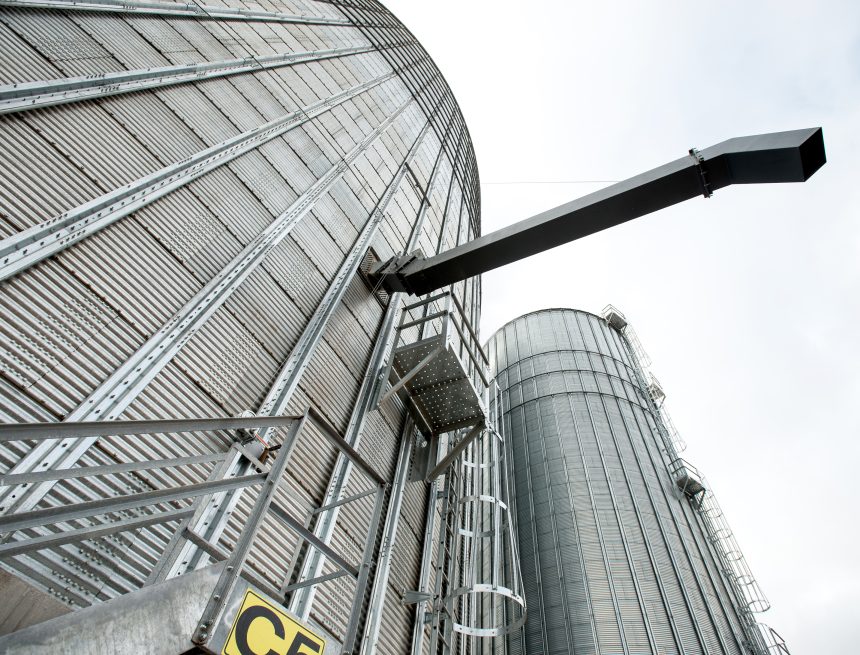
Side discharge bin unload systems can save time and energy when used correctly. They use gravity to partially unload grain from a bin. But proper operation and placement of these systems is crucial to protect bins from damage.

LATEST NEWS

The Dos and Don’ts of Grain Bin Unloading – Part 1
A bushel of corn at 15% moisture weighs about 56 pounds. With capacities of Brock grain bins reaching nearly 2 million bushels, that weight creates tremendous pressure on the bin sidewalls. In this article, Shawn Gearhart, District Manager for Brock Grain Systems, explains why proper unloading practices using center and intermediate floor sumps are essential for maintaining bin integrity.
Pre-Season Grain System Prep Pays Off
Before harvest season kicks into full gear, it’s essential to ensure your grain storage, handling, and drying equipment are ready. In this article, product experts from Brock Grain Systems share key tips to help you prepare for a smooth, efficient harvest and a worry-free storage season.
On-Farm Grain Storage is All About Control
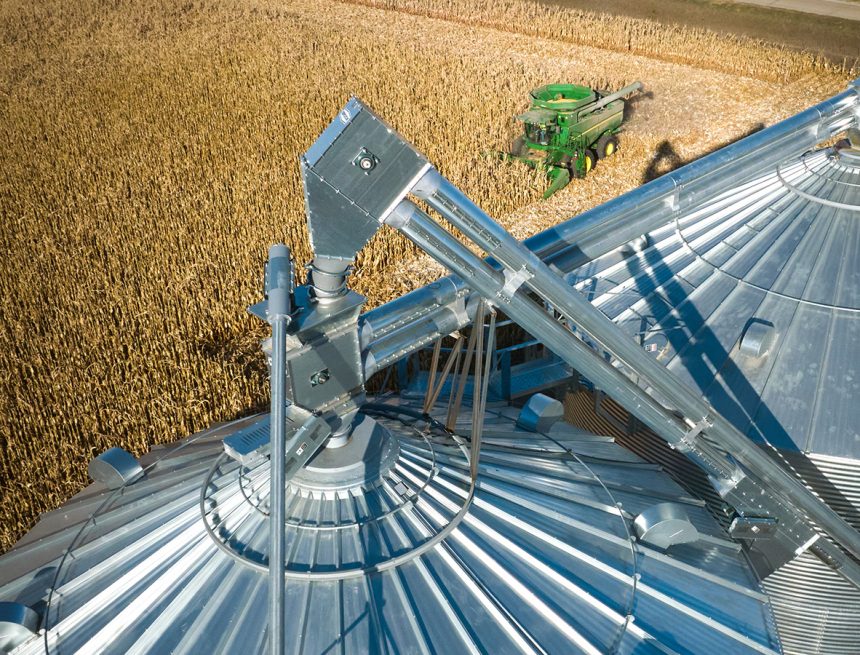
When it comes to safeguarding your grain, there’s nothing wrong with being a control freak. An on-farm grain storage system can put you in the driver’s seat when it comes to avoiding bottlenecks at harvest, protecting your grain’s value, and getting the most out of market timing. Iowa State University grain quality specialist Charles Hurburgh talks about some of the considerations for storing, handling and drying grain.
Why Dauk Farms Chose a VECTOR® Mixed Flow Dryer
Find out some of the reasons Chris Dauk of Dauk Farms chose a VECTOR Mixed Flow Dryer in this informative video.
FEATURED STORIES
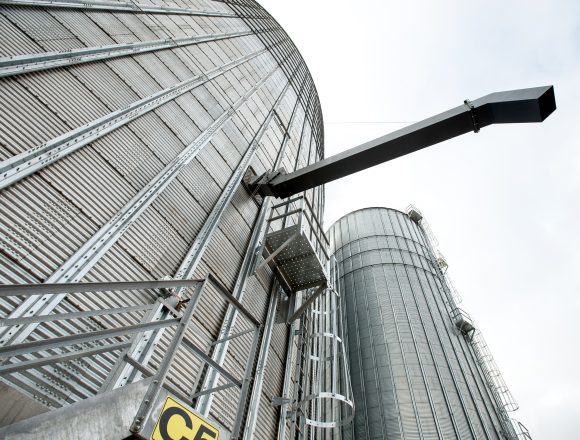
The Dos and Don’ts of Side Discharge Unloading – Part 2
Side discharge bin unload systems can save time and energy when used correctly. They use gravity to partially unload grain from a bin. But proper operation and placement of these systems is crucial to protect bins from damage.

The Dos and Don’ts of Grain Bin Unloading – Part 1
A bushel of corn at 15% moisture weighs about 56 pounds. With capacities of Brock grain bins reaching nearly 2 million bushels, that weight creates tremendous pressure on the bin sidewalls. In this article, Shawn Gearhart, District Manager for Brock Grain Systems, explains why proper unloading practices using center and intermediate floor sumps are essential for maintaining bin integrity.

Pre-Season Grain System Prep Pays Off
Before harvest season kicks into full gear, it’s essential to ensure your grain storage, handling, and drying equipment are ready. In this article, product experts from Brock Grain Systems share key tips to help you prepare for a smooth, efficient harvest and a worry-free storage season.
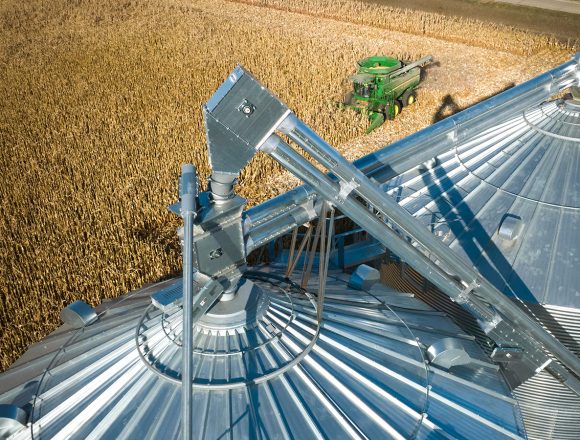
On-Farm Grain Storage is All About Control
When it comes to safeguarding your grain, there’s nothing wrong with being a control freak. An on-farm grain storage system can put you in the driver’s seat when it comes to avoiding bottlenecks at harvest, protecting your grain’s value, and getting the most out of market timing. Iowa State University grain quality specialist Charles Hurburgh talks about some of the considerations for storing, handling and drying grain.
Why Dauk Farms Chose a VECTOR® Mixed Flow Dryer
Find out some of the reasons Chris Dauk of Dauk Farms chose a VECTOR Mixed Flow Dryer in this informative video.
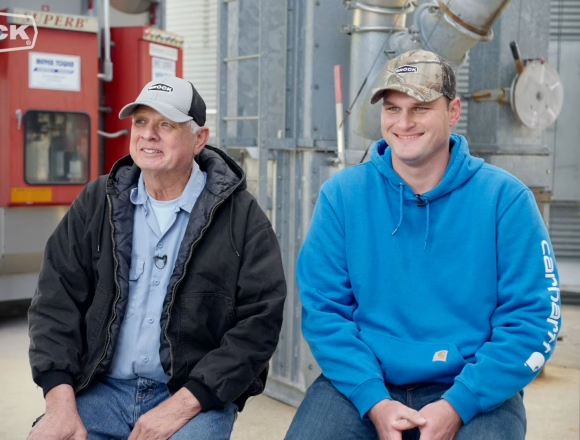
When it Comes to Grain Drying, “Moisture is Money”
Consistency is key for profitable grain drying. That’s why Drummy Brothers Inc. in Ryan, Iowa, upgraded from the Quantum® Control to the INTUI-DRY® Control and TrueGrain™ Moisture Sensor System. Their new system provides accurate moisture readings and convenient control of their 1200 MEYER ENERGY MISER® Tower Dryer.
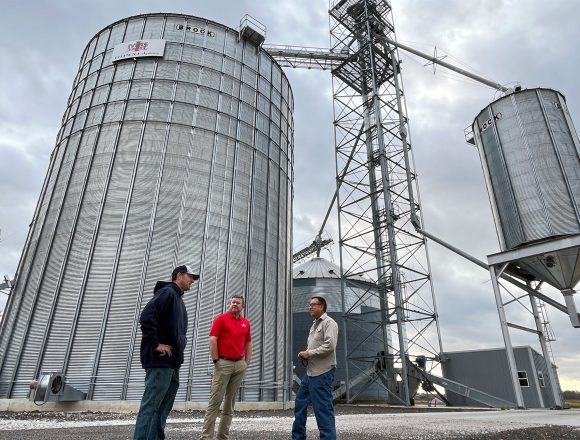
Keeping Up With Harvest at Ivers Farms
Every year, Ivers Farms harvests corn and soybeans from approximately 11,000 acres in southeast Illinois and southwest Indiana. They store most of that grain on the farm. So it’s important they have the storage capacity and speed to keep their combines and trucks running.

How are Farmers Drying Grain on the Farm?
A recent 2024 survey reveals the trends for drying grain on the farm and gives you a glimpse of how your operation compares. Whether it offers new ideas for your farm or simply confirms what you’re already doing, you’ll definitely want to read this summary of the research results.